

 Do NOT Take This Cat Home
Loading game…
Play now

- Rating
- 7.0/10
- Published
- Technology
- HTML5
- Platforms
- desktop&mobile
Do NOT Take This Cat Home
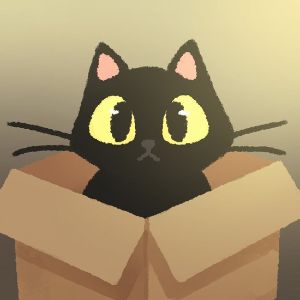
Do NOT Take This Cat Home is a psychological horror visual novel where an ordinary day off changes after you hear a cat crying from a dark alley and discover an unusually cute stray waiting inside a cardboard box. From there, your choices decide whether you take the cat home, leave it behind, spend time with it, or try something completely different—and those apparently harmless decisions can branch into surreal minigames, disturbing scenarios, unexpected consequences, and dozens of endings.
Developed by Pixeliminal, the game combines interactive fiction, visual-novel choices, psychological horror, dark comedy, animations, and small gameplay sequences rather than following one straight storyline. The official release contains more than 32,000 words, 39 unique endings plus one true ending, and around three to four hours of content depending on reading speed.
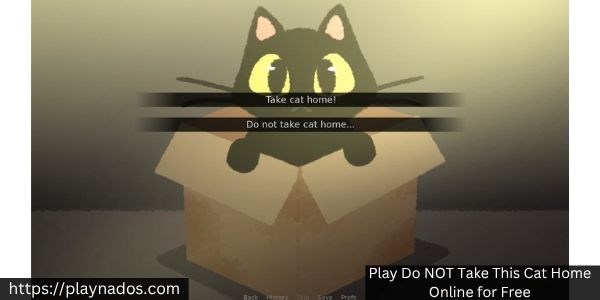
The First Choice Is Only the Beginning
The title gives you a very clear warning:
Do not take this cat home.
Naturally, the game immediately makes you wonder what happens if you ignore it.
You find the cat alone in an alley and begin making choices about what to do next.
But there is no single simple branch where one option is “correct” and the other ends the story.
Your decisions open different paths.
Taking the cat home can lead to one set of situations.
Leaving it outside can create completely different ones.
Playing with it, feeding it, spending your day elsewhere, reacting to strange events, and choosing how persistent you want to be can all move the story toward another outcome.
The result is a game designed around experimentation.
The question is not simply:
“Can I survive?”
It is also:
“What happens if I choose differently this time?”
How Do NOT Take This Cat Home Gameplay Works
Most of the game is driven by reading and making choices.
A scene unfolds.
The protagonist describes what is happening.
Then you decide what to do.
A basic sequence might feel like:
Read → choose → see the consequence → reach another decision → unlock an ending → try another path
But the game frequently disrupts that pattern.
The developer specifically lists animations, minigames, and surreal sequences as part of the experience, so not every route behaves like a standard visual novel.
Sometimes a harmless activity becomes something completely different.
Sometimes a familiar choice changes because of progress you made earlier.
And later portions of the game start using the fact that you have already seen previous endings as part of the larger story.
Do Not Assume an Ending Means You Failed
This is one of the most important things to understand before playing.
In many games, reaching a bad ending means:
you made a mistake.
In Do NOT Take This Cat Home, endings are part of progression.
Finding another ending teaches you something new about:
- the cat;
- the protagonist;
- the world;
- what specific choices can trigger;
- and how different branches connect.
You are expected to see many outcomes.
The developer states that the game contains 39 unique endings and one true ending, giving the full experience 40 outcomes to discover.
So if your first decision ends badly, do not immediately reload and try to erase it.
You probably just discovered another piece of the game.
Taking the Cat Home Opens One Major Branch
Ignoring the warning in the title creates a large collection of possible scenarios.
Once the cat enters your life, ordinary activities can become routes of their own.
The game may give you opportunities involving everyday actions such as spending time at home, interacting with the cat, feeding it, resting, cleaning, or entertaining it.
The important point is that apparently trivial choices can produce completely different consequences.
Do not automatically select whatever sounds safest.
If your goal is to discover more endings, curiosity is useful.
A strange choice may reveal an entire branch you would otherwise miss.
Leaving the Cat Does Not End the Game
The obvious assumption is:
“If the title says not to take the cat home, I’ll just leave and win.”
The game knows you are thinking that.
Choosing not to bring the cat home creates another major collection of routes instead of simply ending the story.
You may still interact with the cat.
You may decide to leave.
You may change your mind.
You may choose another activity.
And some later branches only become available after you have already explored earlier outcomes.
According to walkthrough structure, the game contains large groups of endings tied both to taking the cat home and refusing to take it home, followed by an endgame sequence that becomes available after substantial progress.
That makes the title less of a simple instruction and more of a challenge.
Choices Matter More Than They First Appear
Do NOT Take This Cat Home frequently presents decisions that sound small.
That is intentional.
Something as ordinary as how you spend your day can become the start of a completely different horror scenario.
The best approach is to remember what you selected.
If you reach an ending, think backward:
- What was the first major choice I made?
- Which activity did I select?
- Was there another option inside that activity?
- Did I stop exploring a branch too early?
Then change one meaningful decision on the next attempt.
This is much more efficient than clicking randomly.
Explore One Branch at a Time
Because the game contains so many endings, it is easy to lose track of what you have already done.
Use a simple strategy.
If you choose to take the cat home, explore several possibilities within that branch before completely changing direction.
If you choose not to take it home, do the same.
That creates a mental map of the story.
Instead of remembering forty unrelated endings, you begin remembering groups:
take cat home → activity → decision → outcome
or:
leave cat → interaction → decision → outcome
This makes completion much easier.
Use Save Points Before Important Decisions
If the version you are playing allows normal visual-novel saving, save before major branching choices.
This can reduce repeated reading when you want to test another response.
However, Do NOT Take This Cat Home also uses persistent progression for its wider ending structure, so the game is designed around accumulating outcomes rather than treating every branch as an isolated save file.
The developer even provides separate instructions for players who want to fully reset their persistent data after completing the experience.
For a first playthrough, do not worry about resetting anything.
Let the game remember what you have discovered.
Your Previous Endings Matter
This is where the game becomes much more interesting than a simple branching horror story.
Progress through earlier endings affects what becomes possible later.
The developer has confirmed that reaching the full endgame requires discovering the large majority of the game’s endings first.
That means repeated playthroughs are not simply:
restart → select another funny option → watch another death
There is a larger progression structure behind the collection.
The more outcomes you uncover, the closer you move toward understanding what is actually happening.
How Many Endings Does Do NOT Take This Cat Home Have?
The official page describes:
- 39 unique endings
- 1 true ending
That gives the game 40 endings/outcomes in total.
The numbered route structure begins with the prologue ending and then expands into multiple branches before reaching the later endgame sequence. Community guides generally organize early endings by the choices surrounding whether you take the cat home or leave it behind, with the final group unlocking after substantial completion.
You do not need to memorize every number during your first run.
Just keep experimenting.
Should You Use an All-Endings Guide?
Not immediately.
Searching Do Not Take This Cat Home all endings can give you the exact sequence for every route, but following a checklist from the beginning removes much of the game’s surprise.
A better approach is:
First Playthrough
Choose naturally.
Do whatever you genuinely think you would do.
Early Replays
Experiment.
Try the opposite choice.
Investigate branches you ignored.
When Progress Slows
Use a guide to identify which endings are still missing.
Endgame
Once you have explored most branches yourself, a completion guide becomes much more useful.
The official download even includes an endings guide file, so the developer clearly supports players who eventually want full completion.
Keep Track of What You Already Tried
With forty possible outcomes, memory becomes the real challenge.
You do not need complicated spreadsheets.
A simple list works:
- Took cat home + cleaned
- Took cat home + fed cat
- Took cat home + played
- Left cat + stayed nearby
- Left cat + went elsewhere
You can add more detail when necessary.
This prevents you from repeating the exact same branch because you forgot which option produced which ending.
Minigames Can Change the Pace
Do NOT Take This Cat Home is primarily a visual novel, but it does not remain completely passive.
The official description specifically highlights minigames alongside its animations and surreal atmosphere.
Some branches introduce interactions that feel very different from simply selecting dialogue choices.
That variety is important because it keeps repeated runs from becoming nothing more than rereading the same screens.
When a minigame appears:
- read any instructions carefully;
- notice whether failure creates its own outcome;
- and remember that choosing to act differently may reveal another branch.
The Cat Is Cute on Purpose
The central contrast only works because the cat is appealing.
If it looked obviously dangerous from the first frame, the game’s main decision would be easy.
Instead, the presentation encourages exactly the mistake warned about in the title.
You want to help it.
You want to pet it.
You want to see what happens.
That creates a conflict between:
what the title tells you
and
what curiosity tells you.
Much of the psychological horror grows from that contradiction.
The Horror Is More Than Jump Scares
The official tags include Psychological Horror, Creepy, Scary, Yandere, Cats, and Multiple Endings.
The game can use sudden imagery and loud moments, but its horror also comes from:
- repetition;
- manipulation;
- increasingly uncomfortable choices;
- surreal transformations;
- loss of control;
- and the changing relationship between the protagonist and the cat.
Some routes are absurd.
Some are darkly funny.
Others become considerably more disturbing.
That mixture prevents you from knowing what tone the next branch will use.
Pay Attention When the Game Starts Behaving Differently
If an option changes, a familiar scene behaves strangely, or something that previously seemed fixed suddenly becomes interactive, do not ignore it.
Persistent progression means your growing ending collection can influence later possibilities.
This is one of the situations where repeating a familiar branch may actually be useful.
The beginning can look similar while something deeper has changed.
When you notice that difference, follow it.
Do Not Rush Through Familiar Text Every Time
After several endings, you will naturally recognize repeated scenes.
Skipping familiar dialogue can save time.
But be careful.
If the wording changes, even slightly, slow down.
A changed sentence may indicate:
- new story context;
- a newly unlocked branch;
- a progression trigger;
- or the beginning of something you have not seen before.
Repetition makes differences more meaningful.
How Long Is Do NOT Take This Cat Home?
The developer estimates approximately 3–4 hours, depending on reading speed.
That estimate makes much more sense when you consider the structure.
One ending can be reached relatively quickly.
But seeing one ending is not the same as completing the game.
A full playthrough involves exploring many branching outcomes and moving toward the endgame.
Players trying to see everything may spend longer depending on how quickly they read and how often they repeat routes.
Do NOT Take This Cat Home Is a Visual Novel
This is another place where some browser descriptions get the game wrong.
It is not primarily a pet-care simulator.
You are not managing hunger bars, buying upgrades, or maintaining a virtual cat over a long campaign.
The official genre is Visual Novel / Interactive Fiction, and it was created using Ren’Py.
Interactions with the cat form part of the story branches.
They are not a traditional pet-management system.
That distinction matters because it tells you what kind of game to expect.
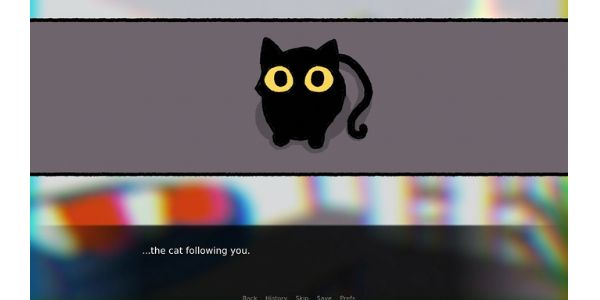
Is Do NOT Take This Cat Home Online?
The original official release is a downloadable game for Windows, macOS, and Linux, distributed through Pixeliminal’s itch.io page. It is not officially presented there as an HTML5 browser game.
If you are playing a browser-hosted version, that is a separate web implementation or port and may behave differently from the developer’s original Ren’Py release.
This is important because some competing sites incorrectly describe the official game itself as a native HTML5 browser title.
Can You Play Do NOT Take This Cat Home on Mobile?
The official developer page currently lists:
- Windows
- macOS
- Linux
It does not list Android or iOS as supported official platforms.
A third-party browser adaptation may load on some phones, but that should not be confused with official mobile support.
Is Do NOT Take This Cat Home Free?
Yes—the official itch.io version uses name-your-own-price, meaning you can currently choose $0 and download the game for free, while also having the option to financially support the developer.
Some additional extras are available when paying above the developer’s listed threshold.
Common Mistakes to Avoid
Treating the First Ending as the End
You reach one outcome and assume you completed the game.
Better: continue. The ending collection is part of progression.
Randomly Clicking Different Choices
You cannot remember what produced what.
Better: explore one branch systematically.
Following an All-Endings Guide Immediately
You technically complete routes but spoil the game’s surprises.
Better: experiment naturally first.
Assuming Leaving the Cat Means You Win
The game has many branches built around refusing to take it home.
Better: follow the consequences and see where each decision leads.
Repeating the Exact Same Route
You waste time seeing information you already discovered.
Better: change one meaningful decision each run.
Ignoring Small Changes
A familiar scene looks almost identical, so you rush through it.
Better: pay attention when previous choices or ending progress alter something.
A Good First-Playthrough Strategy
- Make your first major decision naturally.
- Do not search for the true ending beforehand.
- Read each new scene carefully.
- Remember which activity led to your ending.
- After an ending, change one important decision.
- Explore a branch before abandoning it completely.
- Keep a short list of endings or routes you already tried.
- Treat unusual minigames as potential branching points.
- Watch for changed dialogue after accumulating endings.
- Use an endings guide only after natural experimentation stops producing new outcomes.
Content Warning
Do NOT Take This Cat Home contains material considerably darker than its cute presentation suggests.
The developer warns about:
- horror;
- violence involving humans and animals;
- death;
- abusive relationships;
- disturbing imagery;
- loud noises;
- flashing images and lights;
- and additional potentially distressing themes.
The official page specifically states that the game is not suitable for children or easily disturbed players and provides a fuller trigger-warning document for anyone who needs more detail before playing.
Do NOT Take This Cat Home FAQ
What is Do NOT Take This Cat Home?
Do NOT Take This Cat Home is a psychological horror visual novel and interactive fiction game about finding a mysterious stray cat and exploring the increasingly disturbing consequences of the choices you make afterward.
Who made Do NOT Take This Cat Home?
The game was created by Pixeliminal.
Is it a pet-care game?
Not in the traditional sense. Interacting with and caring for the cat appears in several story branches, but the official game is a horror visual novel rather than a long-term pet-management simulator.
How many endings are in Do NOT Take This Cat Home?
The developer lists 39 unique endings plus one true ending, for 40 total outcomes.
Do I need every ending to beat the game?
You need to discover most of them to access the full endgame progression. The developer has confirmed that the game expects extensive ending completion before the final sequence becomes available.
Should I take the cat home?
That is exactly the decision the game wants you to make for yourself. Taking it home and refusing to take it home both open significant branches, so neither choice simply ends the experience.
What happens if I don’t take the cat home?
The story continues. Refusing the cat opens its own routes and endings rather than functioning as an instant victory.
How long does Do NOT Take This Cat Home take?
The official estimate is around 3–4 hours depending on reading speed.
Is Do NOT Take This Cat Home free?
Yes. The official release is currently name-your-own-price on itch.io, so players can choose to download it for $0 or pay to support Pixeliminal.
Can I play Do NOT Take This Cat Home online?
Browser-hosted adaptations may exist, but the original official release is a downloadable Ren’Py game for Windows, macOS, and Linux rather than a native HTML5 release.
Can I play Do NOT Take This Cat Home on mobile?
Android and iOS are not currently listed as official platforms by the developer. Browser ports may vary in compatibility.
Is Do NOT Take This Cat Home scary?
Yes. Its cute-cat presentation gradually gives way to psychological horror, disturbing imagery, violence, surreal sequences, and darker themes.
Does the game have minigames?
Yes. The developer specifically lists minigames, animations, and surreal elements among the game’s features.
Is Do NOT Take This Cat Home multiplayer?
No. It is a single-player visual novel/interactive-fiction experience.
What engine was the game made with?
The official page lists Ren’Py.
What does don’t take this cat home refer to?
It is simply a common contraction-based search variation of the official title Do NOT Take This Cat Home.
Is dont take this cat home the same game?
Yes. That is the same title written without the apostrophe. There is no separate “Dont Take This Cat Home” game.
How do I get all endings?
Explore both major choices surrounding the cat, test different activities within each branch, keep track of outcomes you already found, and use the official endings guide or a walkthrough later if you become stuck.
Should I use a walkthrough from the beginning?
It is better to discover several endings naturally first. The game is built around surprise and experimentation, so a complete route list can reveal much of the experience before you see it yourself.
Similar Games To Do NOT Take This Cat Home
Amanda the Adventurer — For another psychological horror mystery, Amanda the Adventurer mixes interactive VHS tapes, strange choices, hidden clues, and unsettling puzzles.


















Comments