

tetris lumpty
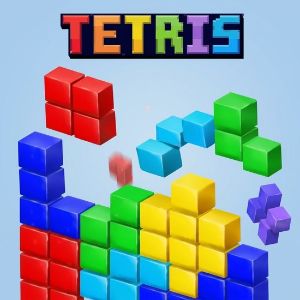 tetris lumpty
Loading game…
Play now

- Rating
- 7.3/10
- Published
- Technology
- HTML5
- Platforms
- desktop&mobile
Tetris Lumpty
Tetris Lumpty is a browser-based falling-block puzzle game where you rotate and position tetromino pieces to complete horizontal rows before the stack reaches the top of the board. Every finished row disappears and creates more space, but poorly placed pieces leave holes that become harder to repair as the board fills and the falling speed increases.
The objective is not simply to place the current piece somewhere it fits. Strong runs come from preparing the board for the pieces that will arrive next, keeping the surface manageable, avoiding buried gaps, and knowing when to clear a line immediately instead of waiting for a larger setup.

How Tetris Lumpty Works
Pieces fall from the top of the playfield one at a time.
Your job is to:
- Identify the shape.
- Rotate it into a useful orientation.
- Move it left or right.
- Choose where it should land.
- Complete horizontal rows without leaving empty spaces.
- Keep enough open room for future pieces.
When every cell across a horizontal row is filled, that line clears and the blocks above it move downward.
The run becomes dangerous when the stack grows close to the top of the playfield. If there is no longer enough room for a new piece to enter correctly, the game ends.
That makes stack height one of the most important things to monitor throughout Tetris Lumpty.
Know the Seven Tetromino Shapes
The pieces may look simple, but each one solves different board problems.
- I Piece: A straight four-block line. Excellent for deep vertical spaces and large multi-line clears.
- O Piece: A 2×2 square that works best on flat sections of the board.
- T Piece: Flexible for filling central spaces and shaping uneven surfaces.
- L Piece: Useful around steps and vertical openings.
- J Piece: The mirrored version of the L and helpful for the opposite type of gaps.
- S Piece: Fits sloping patterns but can create awkward holes if placed carelessly.
- Z Piece: Mirrors the S Piece and requires the same attention to the surface underneath.
Learning the shapes is easy.
Learning where not to place them is much more important.
Keep the Board Low and Playable
One of the simplest ways to survive longer is to keep your stack relatively low.
A tall board gives you less time to:
- inspect the next piece;
- decide where it belongs;
- rotate it correctly;
- and recover from mistakes.
A lower board gives you options.
You do not need a perfectly flat surface at every moment, but avoid creating one tall tower while the rest of the playfield remains low.
If one section starts growing too quickly, prioritize clearing or flattening that area before building somewhere else.
Avoid Creating Buried Holes
A buried hole is an empty square with blocks stacked above it.
These are dangerous because clearing the rows above does not automatically solve the trapped space underneath.
For example, dropping a piece over a one-square gap may make the top of your stack look clean, but the hidden hole remains.
Eventually you may need several additional pieces just to reach and repair it.
Before locking a tetromino into position, ask:
Will this piece leave an empty space underneath it?
If the answer is yes, look for another placement unless you already know how you will repair the gap.
How to Play Tetris Lumpty
The controls are simple enough to learn quickly, but timing becomes increasingly important as the pieces fall faster.
Keyboard Controls
Depending on the browser build, the main controls generally include:
- Left Arrow / A: Move the piece left
- Right Arrow / D: Move the piece right
- Down Arrow / S: Move the piece downward faster
- Up Arrow / W: Rotate the piece
- Space: Hard drop or quickly place the piece in supported versions
- P / Esc: Pause in versions that support it
Mouse and touchscreen versions may also provide on-screen movement and rotation controls.
Always follow the controls displayed directly by the build you are playing if they differ.
Rotate Before the Piece Gets Too Low
Beginners often wait until a piece is almost at the bottom before deciding how to rotate it.
That becomes risky once the game speeds up.
A safer process is:
- Look at the shape as soon as it appears.
- Decide which orientation you probably need.
- Rotate near the upper part of the board.
- Move horizontally toward the target position.
- Make only small corrections near the bottom.
This gives you more time to react if the original placement no longer looks good.
Do Not Hard Drop Until the Placement Is Certain
Hard dropping is useful because it speeds up gameplay, but it also removes your chance to correct the position.
Before committing, check three things:
- Is the piece in the correct column?
- Is its rotation correct?
- Will it create a hidden gap underneath?
If all three answers look good, place it.
If you are unsure, use the slower downward movement instead.
Fast play only helps when the decisions are already correct.
Build Around the Pieces You Actually Have
A common mistake in falling-block games is waiting too long for one perfect piece.
For example, you might leave a tall narrow opening expecting an I Piece.
That can produce a strong clear if the I arrives soon.
But if several other shapes arrive first, the rest of the board may become dangerously high while you protect that empty column.
A good setup should still be playable even when your ideal next piece does not appear immediately.
The best strategy is flexible rather than dependent on one lucky drop.
When Should You Clear a Line?
Not every line needs to be cleared the moment you can complete it.
Sometimes leaving a nearly finished row lets you build toward a larger clear.
However, survival comes first.
Clear sooner when:
- your stack is already high;
- you have several awkward gaps;
- the current piece fits cleanly;
- or the game speed is becoming difficult to manage.
Build longer when:
- the board is low;
- your surface is controlled;
- you have enough room to accommodate several more pieces;
- and the setup does not depend entirely on one specific shape.
Do not sacrifice a stable board just to chase a bigger clear.
Difficulty and Increasing Speed
One of the reasons Tetris Lumpty becomes challenging is that you eventually have less time to make each placement.
At slower speed, you can inspect the board, rotate repeatedly, and reconsider your decision.
At higher speed, you need to recognize patterns almost immediately.
This changes how you should play.
Early in a run, spend time creating a clean board.
Later, simplify your decisions.
Try to maintain a surface that makes the correct placement obvious rather than building complicated shapes that require several rotations and precise movements.
A Strong Beginner Strategy
If you are still learning Lumpty Tetris, use this approach:
Step 1: Keep the Surface Mostly Flat
Avoid large differences in height between neighboring columns.
Step 2: Fill Low Areas First
When the board develops a shallow valley, use suitable pieces to bring it back toward the surrounding height.
Step 3: Rotate Early
Make the important decision while the piece is still high.
Step 4: Clear Lines Regularly
Do not let the stack grow simply because you are waiting for a perfect multi-line setup.
Step 5: Watch the Whole Board
Focus on the shape of the stack rather than staring only at the falling piece.
This creates a board that is much easier to manage when the speed increases.
How to Recover From a Bad Placement
Almost every long run includes mistakes.
The important skill is preventing one mistake from creating several more.
If you place a piece badly:
- Identify the hole or raised section immediately.
- Stop building higher on top of the problem.
- Use upcoming pieces to gradually expose or fill the damaged area.
- Clear nearby rows when possible.
- Return the board to a manageable shape before chasing bigger scores again.
Do not panic-drop several pieces just because the board suddenly looks ugly.
A controlled recovery is usually possible when enough space remains above the stack.

Common Mistakes That End Runs
Building Too High on One Side
A narrow tower limits the number of pieces that can fit safely.
Better: spread the stack more evenly.
Covering Empty Squares
Hidden holes can survive underneath multiple completed layers.
Better: check what is below every piece before locking it.
Waiting Forever for an I Piece
The perfect straight piece may not arrive when you want it.
Better: create setups that remain playable with several different shapes.
Rotating Too Late
Once a piece is close to the stack, there may not be enough room to change its orientation.
Better: make the main rotation early.
Playing Too Fast
Hard dropping everything may feel efficient at first.
Better: increase your speed only after accurate placement becomes automatic.
How to Improve Your Tetris Lumpty Score
Better scores usually come from staying alive long enough to make many efficient clears rather than rushing the opening minute.
Focus on these habits:
- Keep the central board manageable.
- Avoid unnecessary holes.
- Use the preview information when the version provides it.
- Prepare flexible spaces for several possible shapes.
- Save long open channels only when the rest of the stack remains safe.
- Clear lines before the board reaches a dangerous height.
- Use faster drops only when the final position is obvious.
- Adapt your strategy when the falling speed increases.
The longer you can maintain a clean structure, the less often you will need desperate last-second moves.
Tetris Lumpty Online and Free Browser Searches
Players may search for Tetris Lumpty online, Tetris Lumpty free, free Tetris Lumpty, or Tetris Lumpty online free when they want to open the puzzle directly in a browser.
You may also see the name written as Lumpty Tetris, TetrisLumpty, or Tetris game Lumpty.
These searches generally refer to the same browser-style falling-block puzzle experience rather than completely different games.
The core objective remains the same: arrange the falling pieces, complete rows, control the height of the stack, and continue for as long as possible.
What Does Tetris Lumpty Unblocked Mean?
Searches such as Tetris Lumpty Unblocked, Tetris Unblocked Lumpty, and Lumpty Tetris Unblocked usually come from players looking for browser access to the game.
“Unblocked” does not describe a different gameplay mode.
The puzzle rules remain based on rotating falling tetrominoes and clearing horizontal lines.
Whether a particular game page is available still depends on the browser, device, and network being used.
Lumpty.com and Tetris Lumpty
Tetris Lumpty is strongly associated online with Lumpty.com, which is why queries such as Lumpty com Tetris, Lumpty free Tetris, or play Tetris Lumpty appear alongside the main game name.
Different gaming portals may also host or describe browser versions of the puzzle.
The exact interface or control options can vary, but the important gameplay is the falling-block system itself.
Tips for Longer Runs
- Keep the board low whenever possible.
- Avoid leaving empty squares underneath other blocks.
- Rotate pieces before they get close to the stack.
- Look for placements that work with more than one future piece.
- Do not build a tall tower while waiting for one specific shape.
- Use hard drop only after checking the final position.
- Clear smaller lines when the stack becomes dangerous.
- Treat S and Z pieces carefully because careless placement can create awkward surfaces.
- Use flat sections to make O Pieces easier to place.
- When the game speeds up, simplify your board instead of attempting increasingly complicated setups.
Tetris Lumpty FAQ
What is Tetris Lumpty?
Tetris Lumpty is a browser-based falling-block puzzle where you move and rotate tetrominoes, complete horizontal rows, and keep the growing stack from reaching the top of the board.
How do you play Tetris Lumpty?
Position each falling piece so it fits cleanly into the stack. Complete a full horizontal row to remove it and create more space for future pieces.
Is Lumpty Tetris the same as Tetris Lumpty?
Yes, players commonly reverse the words when searching for the game. Both terms generally refer to the same browser puzzle.
What causes a game over?
The run ends when the stack reaches the upper part of the playfield and new falling pieces can no longer be placed normally.
How can I get a higher score?
Keep your stack low, avoid buried holes, plan placements before hard dropping, and create multi-line clears when the board is stable enough to support them.
Why is keeping the board flat useful?
A flatter surface gives more shapes somewhere safe to land and makes future placements easier to predict.
Should I always wait for an I Piece?
No. Saving one open column can be useful, but waiting too long while the rest of the board grows can put the run in danger.
What is Tetris Lumpty Unblocked?
It is a search term commonly used for browser-accessible versions of Tetris Lumpty. It does not represent a separate game mode.
Can I play Tetris Lumpty online?
Browser versions allow the game to run directly from a webpage. The exact controls and interface can vary depending on the version.
Is Tetris Lumpty good for short sessions?
Yes. The rules are simple enough to begin immediately, while the increasing speed and board-management challenge can also support much longer high-score attempts.
Why does Tetris Lumpty get harder?
As the game progresses or higher difficulty settings are used, falling pieces can move more quickly, leaving less time to rotate, position, and correct each placement.
What should I do after making a bad placement?
Avoid stacking more blocks directly over the mistake. Work toward exposing the problem area, clear nearby rows, and rebuild a more manageable surface before returning to risky scoring setups.
Similar Games To Tetris Lumpty
Block Blast Unblocked — If you enjoy block puzzles, Block Blast Unblocked challenges you to place fixed shapes carefully, clear rows and columns, and keep enough space open for the next pieces.


















Comments